I started playing badminton again about 6 months ago. Before that, I hadn’t touched a racket in 6 years (well, “hadn’t touched” would be an exaggeration but you know what I intend to say). That was a long time and if you ask me, long enough that when people asked if I played any sport, badminton wasn’t even the answer I gave anymore. There was a knee injury somewhere in that gap, I am not going to get into the details of it here, it’s not really the point of this post but it’s the reason for the gap and it’s part of why picking it up again wasn’t as simple as just showing up one day and playing.
These days I play indoors, with a few colleagues from work. We get together 3 times a week, 2 hours each session. It’s nothing competitive or formal, just people who happen to live around the same place and enjoy hitting a shuttle around after work. Somewhere along the way, this became the part of my day I look forward to the most. I don’t think I expected that when I started. I thought I would ease back into the game slowly, maybe play once a week and see how the knee held up. Instead it turned into the thing I plan my late evenings around.
When I first started playing badminton in May 2020, it wasn’t in any proper court. Me and a friend built one ourselves in the frontyard of our house. We actually did real research for it too and looked up the exact measurements of a badminton court, went out with a measuring tape in the hot afternoon and marked out the court lines using aata(flour), because that’s what we had lying around. The ground itself was rough and not a proper surface at all. There were bits of concrete poking out in places and uneven patches everywhere. Looking back now, I think that’s probably part of why I got injured eventually (also the fact that I was still playing when I was all fatigued and tired). But at the time, none of that crossed my mind. It was the only outdoor sport I actually loved and was decently good at, so I let it slide. You don’t think about the ground when you are having fun.
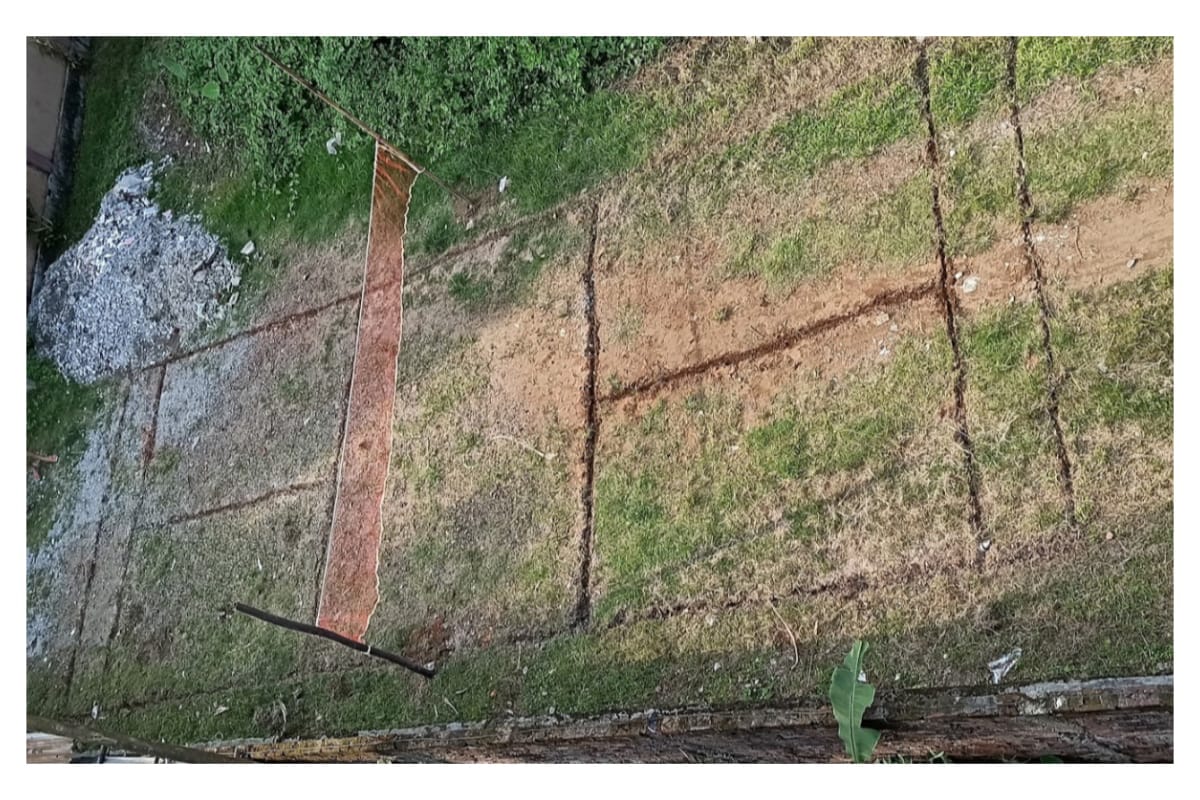
Back then I didn’t know a single professional badminton player. I wasn’t following the sport, I was just playing it. What got me curious about the professional side of things was actually my height (or at least, that’s what I believed at that time) (allow me to explain). I thought I was too short to hit smashes properly, a quick note for anyone new to the sport: a smash is that hard, downward hit that drives the shuttle into the opponent’s court fast and when it lands that’s the shot that actually wins you the point. Everyone else could just slam it down and I couldn’t get the same power or angle, which usually ended in a net hit and a fair bit of frustration. Looking back now, I am not so sure that was actually it, I haven’t grown taller in the last 6 years so it was probably more about my form (though thinking about it now it could have just as easily been the uneven slope of that DIY court messing with my jump). So I started looking for a way to be different on court instead of trying to force something my body wasn’t built for yet. That’s when I started watching professional matches, with the hope of picking up on other ways to win a point that didn’t rely purely on height or power.
That’s how I found Lee Chong Wei (Malaysia) and Tai Tzu Ying (Chinese Taipei) professional badminton players. And that’s when I fell in love with badminton deception shots. The kind where the shuttle looks like it’s headed to one spot, your opponent’s already moving to cover it and then it just drops somewhere completely different. It looked unfair watching them do it.
I wanted that. So I started trying to copy it badly, over and over. The two shots I fixated on most were the slice and the reverse slice. The idea is actually pretty simple once we break it down: instead of hitting straight through the shuttle the way you normally would, you cut across it at an angle. Because you are grazing it instead of driving through it, the shuttle doesn’t follow the path your opponent expects. It drops shorter or sharper or at some odd angle they haven’t set up for. When i practiced it, I mistimed the graze constantly or hit it too hard and it just flew off like a normal shot with none of the deception in it. Week after week, slowly with enough reps, I started landing it every now and then. Even now, I’m still working on the backhand reverse slice and honestly, I think it might be the hardest deception shot there is.
There is another part of why I love this game and it’s not really about technique at all. I have followed Lee Chong Wei (Malaysia) for a long time. He faced his archnemesis, Lin Dan (China) again and again in the biggest matches of his career and he never beat him in a final. Not once. If you just look at that fact on its own, it sounds like a sad story. The way they would push each other to be better and still shake hands and mean it afterward. I think about that more than I probably should for something that is just a hobby to me.
If I am being honest about the harder part of this whole thing, I still carry a bit of fear with me every time I step on court and it all connects back to my injury. I don’t give my 100% in any match, I don’t think I will anytime soon and I don’t think I need to! It ties back to the fact that I haven’t let myself go all in since before the injury and a part of me isn’t ready to find out what that would even feel like now. I don’t know if that fear is something that fades the more I keep playing or if it’s just always going to be sitting there in the back of my mind, whether I want it to or not. I don’t have an answer for that right now and I’m not sure I need one yet either.
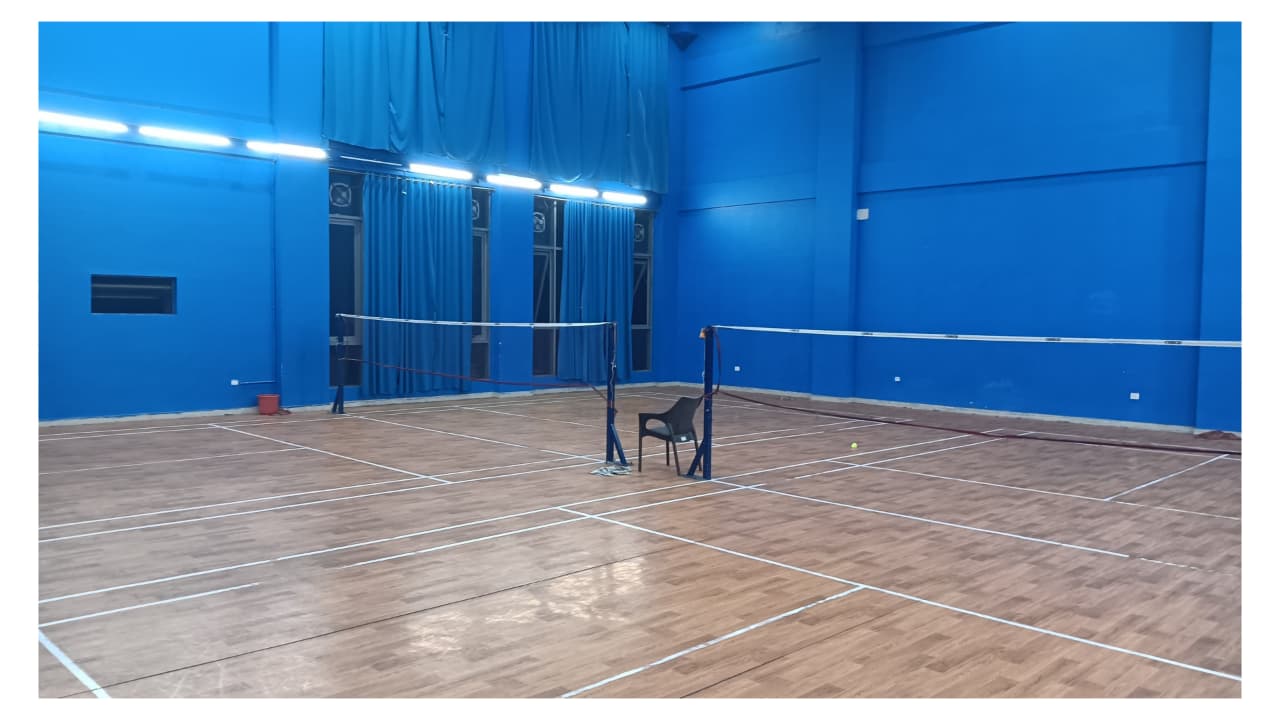
I still play three times a week, two hours at a time with people I have genuinely come to enjoy playing with. And when I get home afterward, tired and a bit sore, I wash up, I read for a bit and I fall asleep easier than most nights.
Funny thing is, the court is better now. The shots are better now. I’m just still figuring out if I am.
I decided to write this because talking about badminton usually stops at the fun parts and I wanted to sit with the rest of it too, instead of skipping past it.